Alkaline Zinc and Acid Zinc Plating

Alkaline Zinc and Acid Zinc Plating

Zinc plating protects steel and iron from corrosion by coating the surface with a thin layer of zinc that acts as a sacrificial barrier. The two most common processes are alkaline and acid (chloride) zinc, and each suits different applications.

Key Features

Capacity:

4 Tons per Day

Operation Mode:

Fully Automatic,
PLC Control Process

Process Control

Online pH Meter.
Temp.Controller.
Bath level indicators.
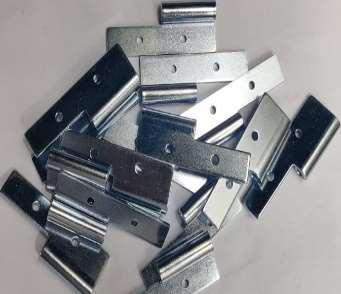
Component

Alkaline Zinc Plating

Alkaline zinc uses a cyanide-free, high-pH bath. Its standout strength is uniform coating thickness, even on complex shapes, recesses and threaded parts. It also produces a smooth, fine-grained deposit and offers good throwing power. It’s well suited to components with intricate geometry and for parts that will be bent, crimped or formed after plating. Because it deposits more slowly, it’s typically chosen when consistency matters more than speed.

Acid Zinc Plating

Acid zinc (typically chloride-based) delivers a bright, mirror-like finish and faster plating speeds, making it very efficient for high-volume production. It has high current efficiency, so there is a lower risk of hydrogen embrittlement in many steels. It’s ideal for simple-shaped parts where a brilliant, decorative appearance is important, such as fasteners, brackets and general hardware.

Why Choose Us?

Alkaline Zinc Acid Zinc
Coating uniformity Excellent,even on complex parts Good on simple shapes
Appearance Smooth,satin to bright Very bright, decorative
Plating speed Moderate Fast
Best for Complex geometries, formed parts High-volume, simple parts

Both processes can be followed by chromate or passivate treatments (clear, blue, yellow or black) and sealers to further extend corrosion resistance.